


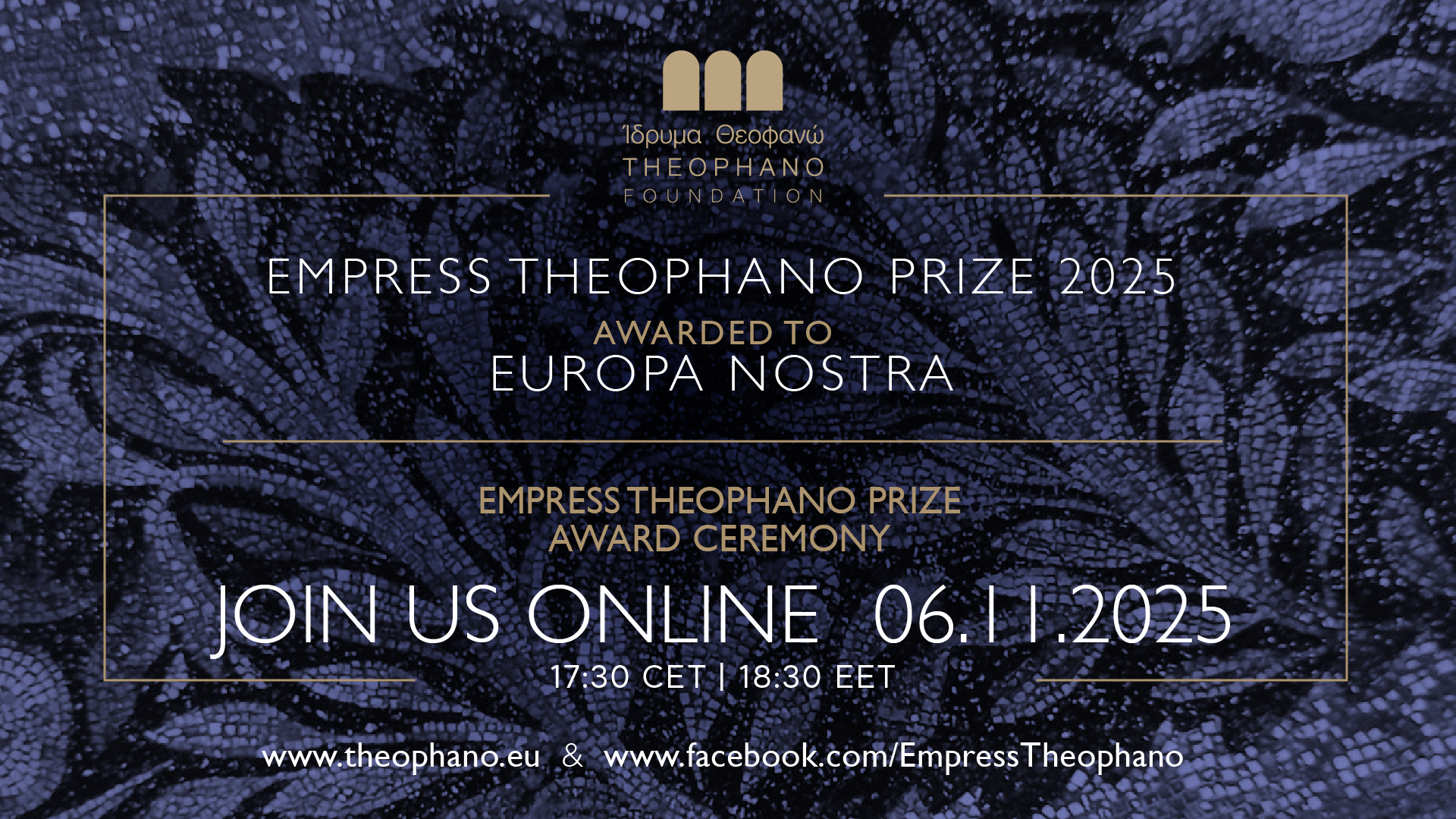
EUROPA NOSTRA, strong advocate of Europe’s heritage, culture and values, wins the prestigious Empress Theophano Prize 2025.
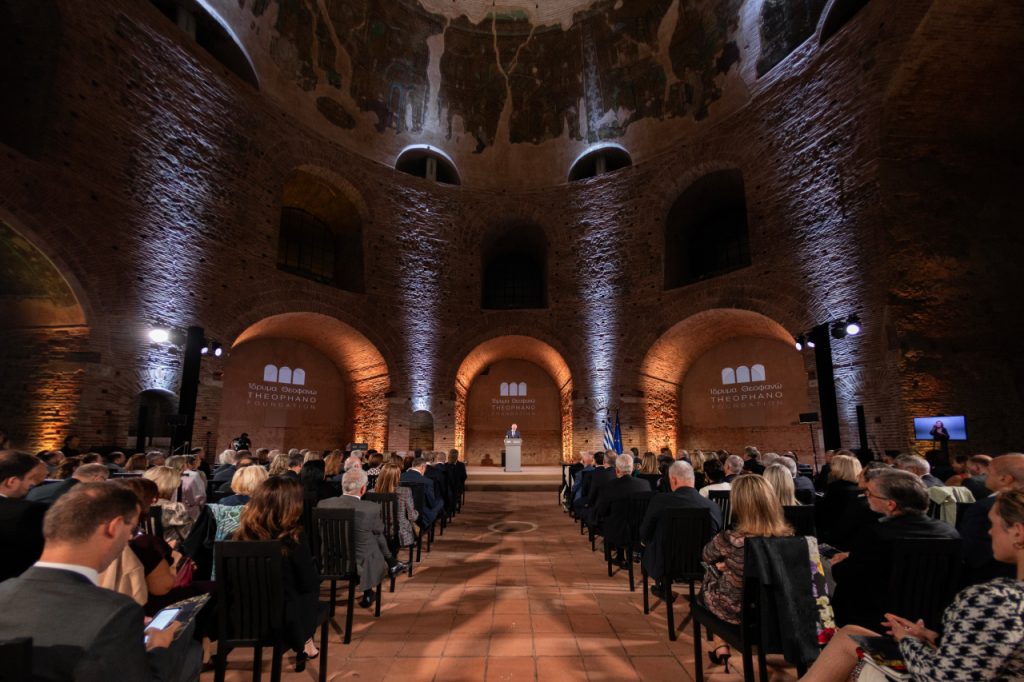
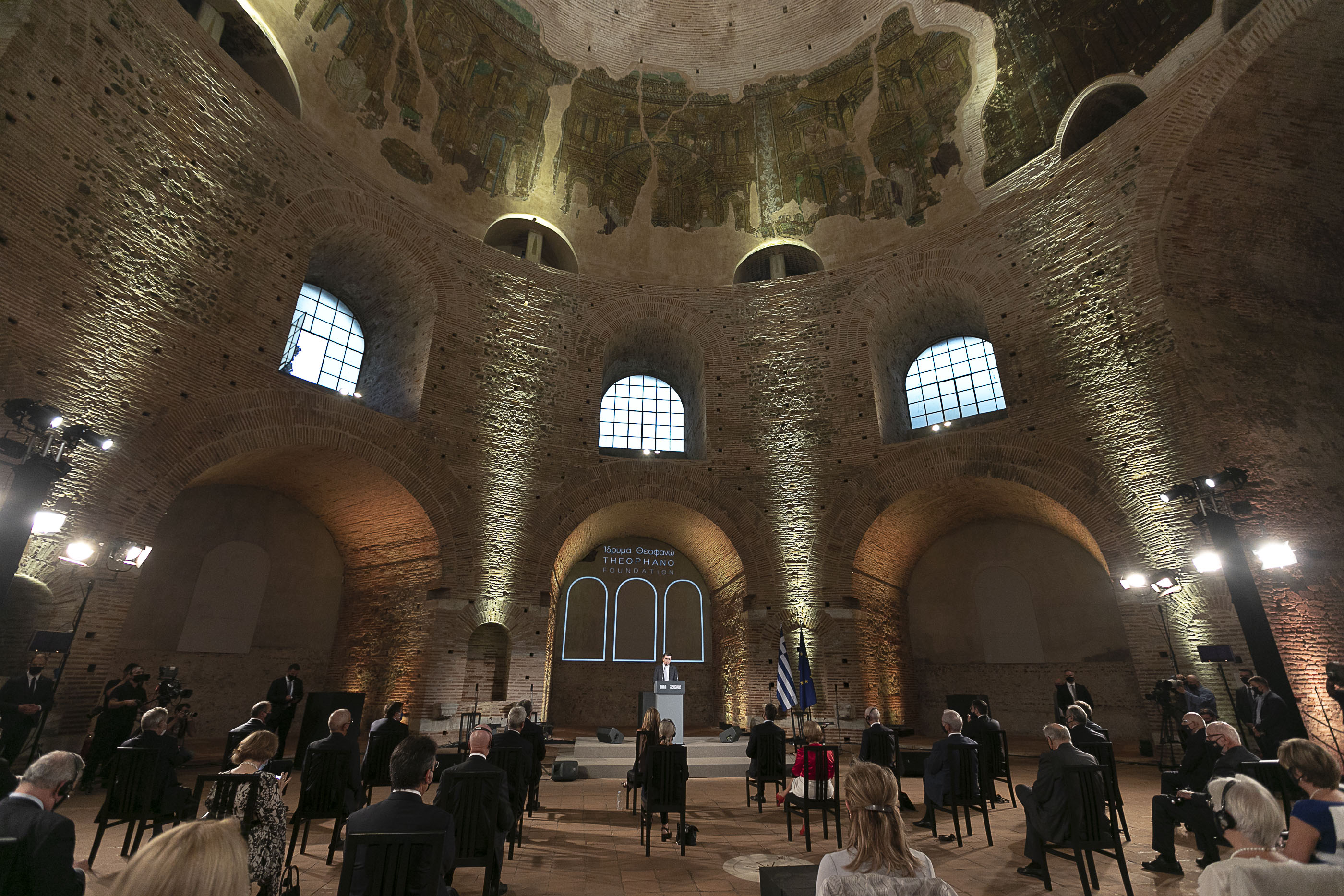
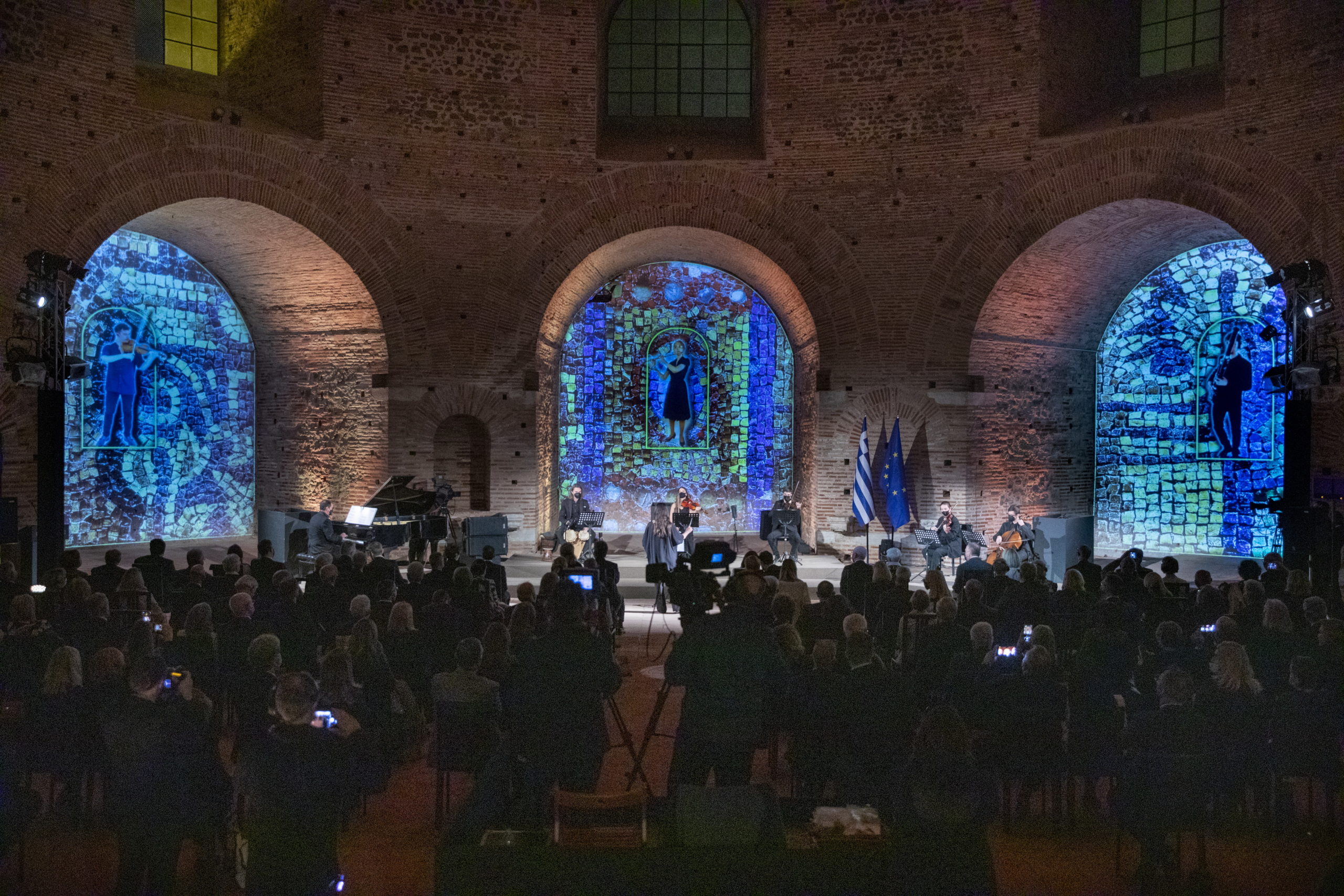
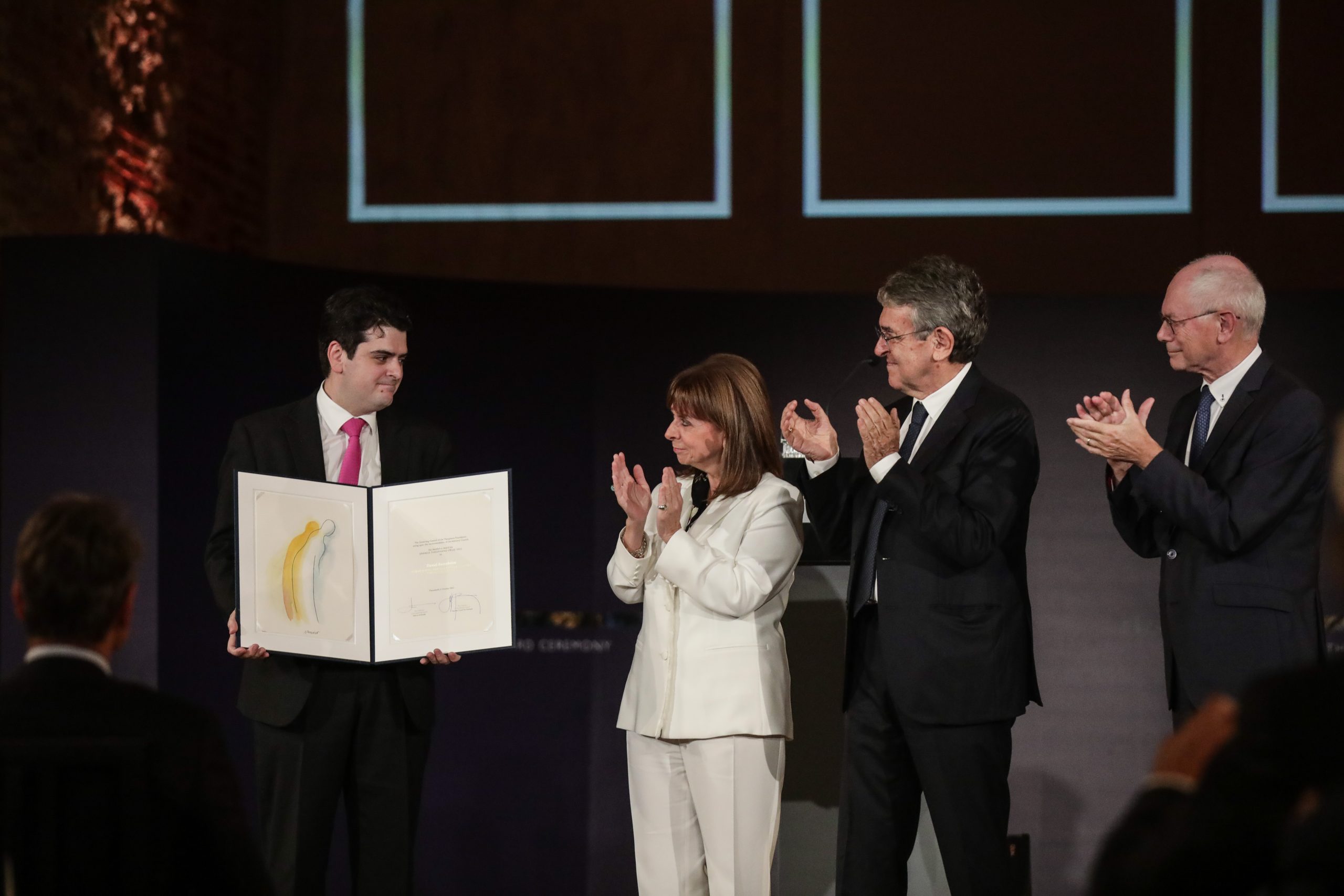
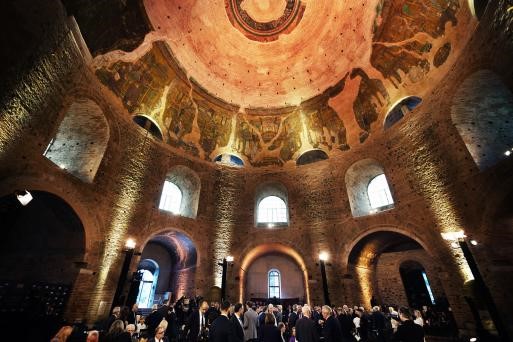
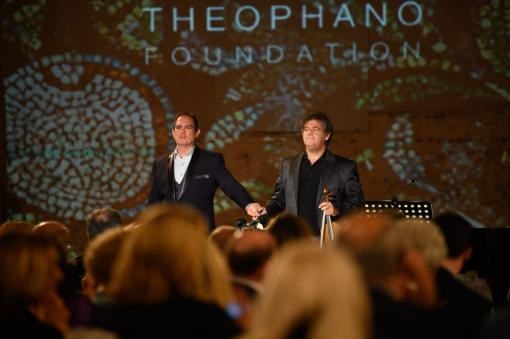
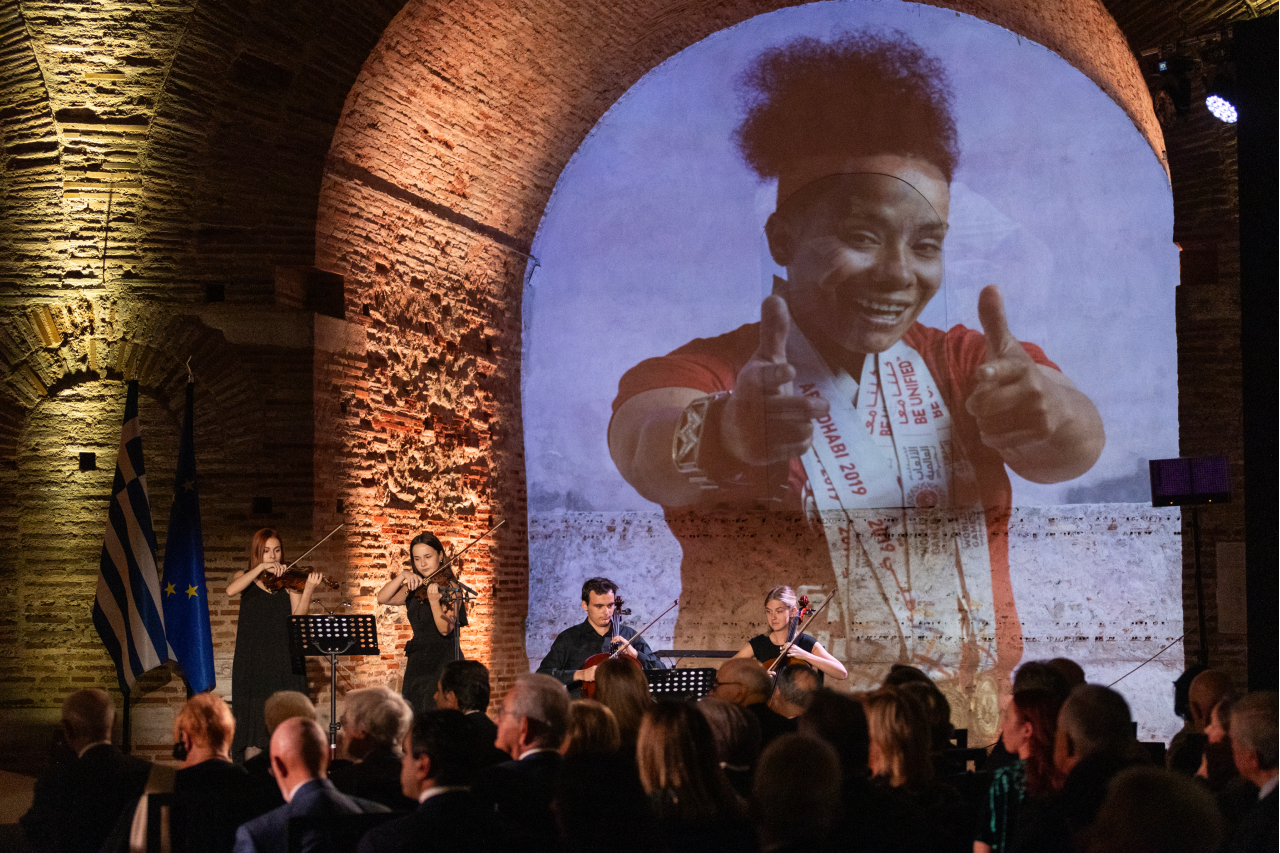
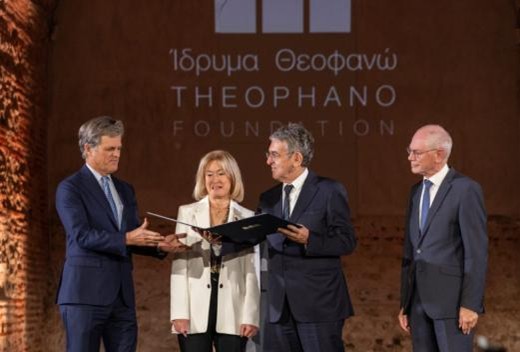
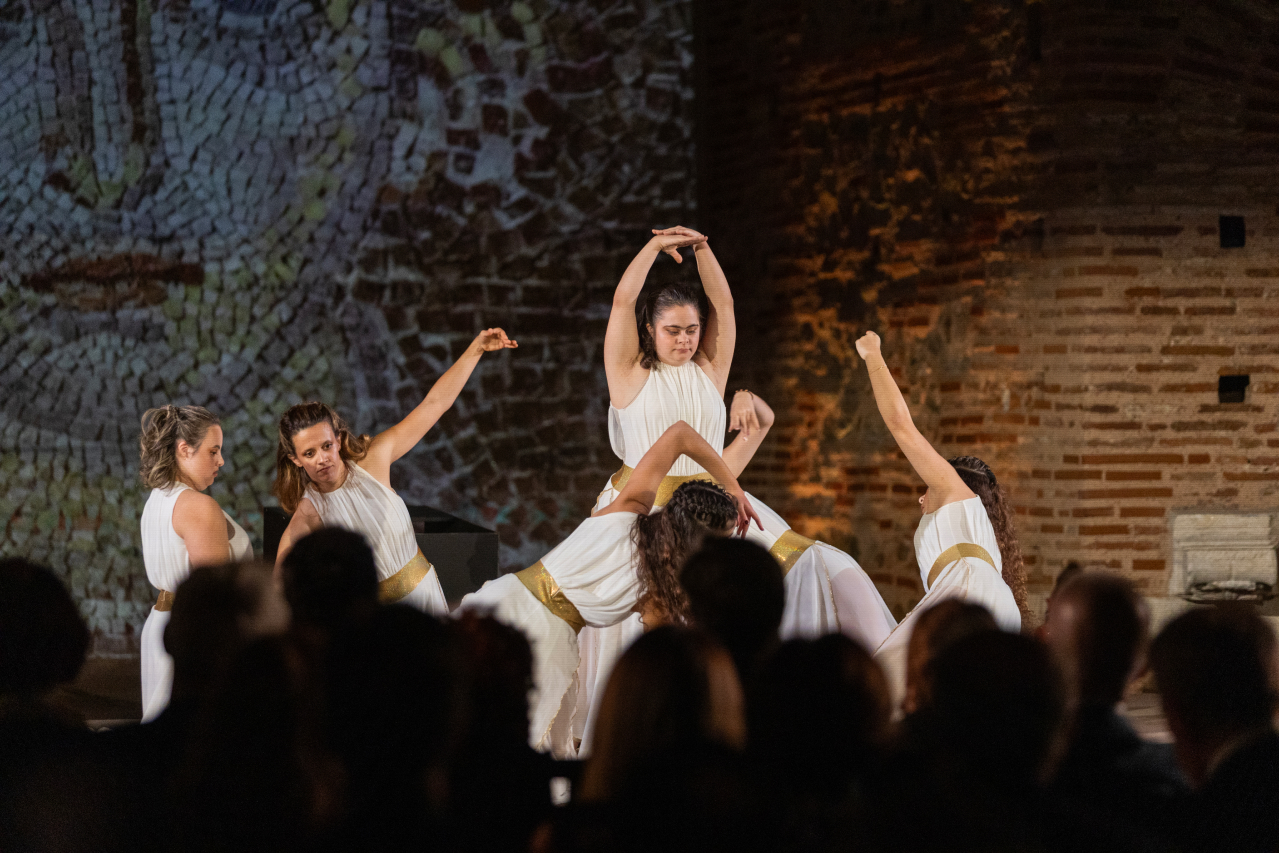
Awarded each year to honour an exceptional contribution to bridging human divides through the promotion of Europe’s common values, the coveted prize will be presented to Europa Nostra, for championing the cohesive power of cultural heritage for the present and future of Europe, at a ceremony to be held on 6 November in the 2000 year-old Rotunda of Thessaloniki, Greece.
© Studio 8 Photos, Efi Panagoula
You may watch the Award Ceremony (Thursday 6th November 2025 | 17:30 CET, 18:30 EET) HERE
Stavros Andreadis, Chairman of the Governing Council of the Theophano Foundation said: “This year’s prize focuses on the key role of cultural heritage across Europe: We live in a time of turbulence, a time we urgently need to deepen the conversation regarding our common heritage. The prize awarded to Europa Nostra transcends the individual, the local, the national, and makes us aware that we are part of a greater whole, of a European heritage, in latin ‘Europa Nostra’ (Our Europe).”
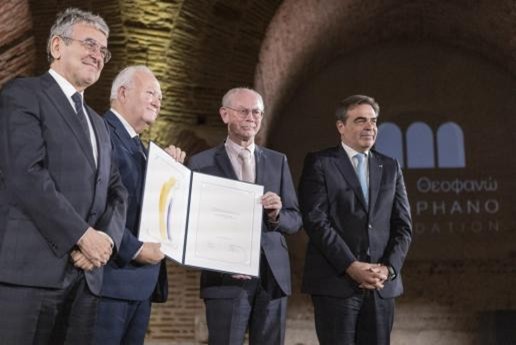
Herman Van Rompuy, former President of the EU’s European Council and Chairman of the Advisory Council of the Theophano Foundation said: “This year’s prize aims to underline that in times of the return to national identity, it is fundamental to realize that Europeans have a common European cultural heritage, part of our European identity in the past, present and future. And when gazing at the future of Europe, this year’s awarding of Europa Nostra highlights the important role of heritage for the economy, society, culture, environment, well-being of our common continent, our shared home.”
Cecilia Bartoli, President of Europa Nostra, commented: “We are delighted and proud to receive this year’s Empress Theophano Prize. This is a huge honour and also an immense responsibility; it will strengthen our resolve to pursue Europa Nostra’s mission and further expand our work which are so vital for promoting a sense of togetherness and a sense of belonging among Europe’s citizens and their communities. Together we must step up our efforts to safeguard and enhance the unity in diversity of this rich heritage for the benefit of present and future generations.”
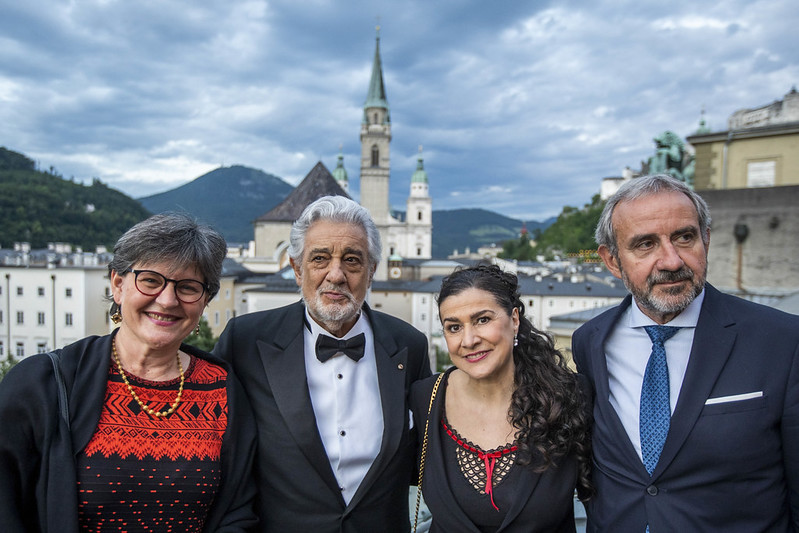
“Today, when Europe faces serious threats to its core values, we at Europa Nostra remain unwavering in our commitment to defending and promoting these values. Our role is to highlight the European meaning of our shared cultural heritage and its significance for fostering peace, democracy, security, sustainability and quality of life in Europe’s cities and countryside. We are grateful to the Theophano Foundation for recognizing the quality and relevance of Europa Nostra’s work for building a better future for Our Europe. ” , added Prof. Dr Hermann Parzinger, Executive President of Europa Nostra.
The Empress Theophano Prize, a non-pecuniary award conferred each year after deliberation between the Advisory and Governing Councils of the Theophano Foundation, is designed to highlight those persons or organisations in Europe and beyond who best embody European and universal values. For more than 60 years, Europa Nostra, the European Voice of civil society committed to cultural heritage, has been dedicated to demonstrating the power of our common heritage and culture in promoting and sustaining European values and in bringing Europe’s citizens closer together. In today’s challenging times, Europa Nostra’s work is needed more than ever.
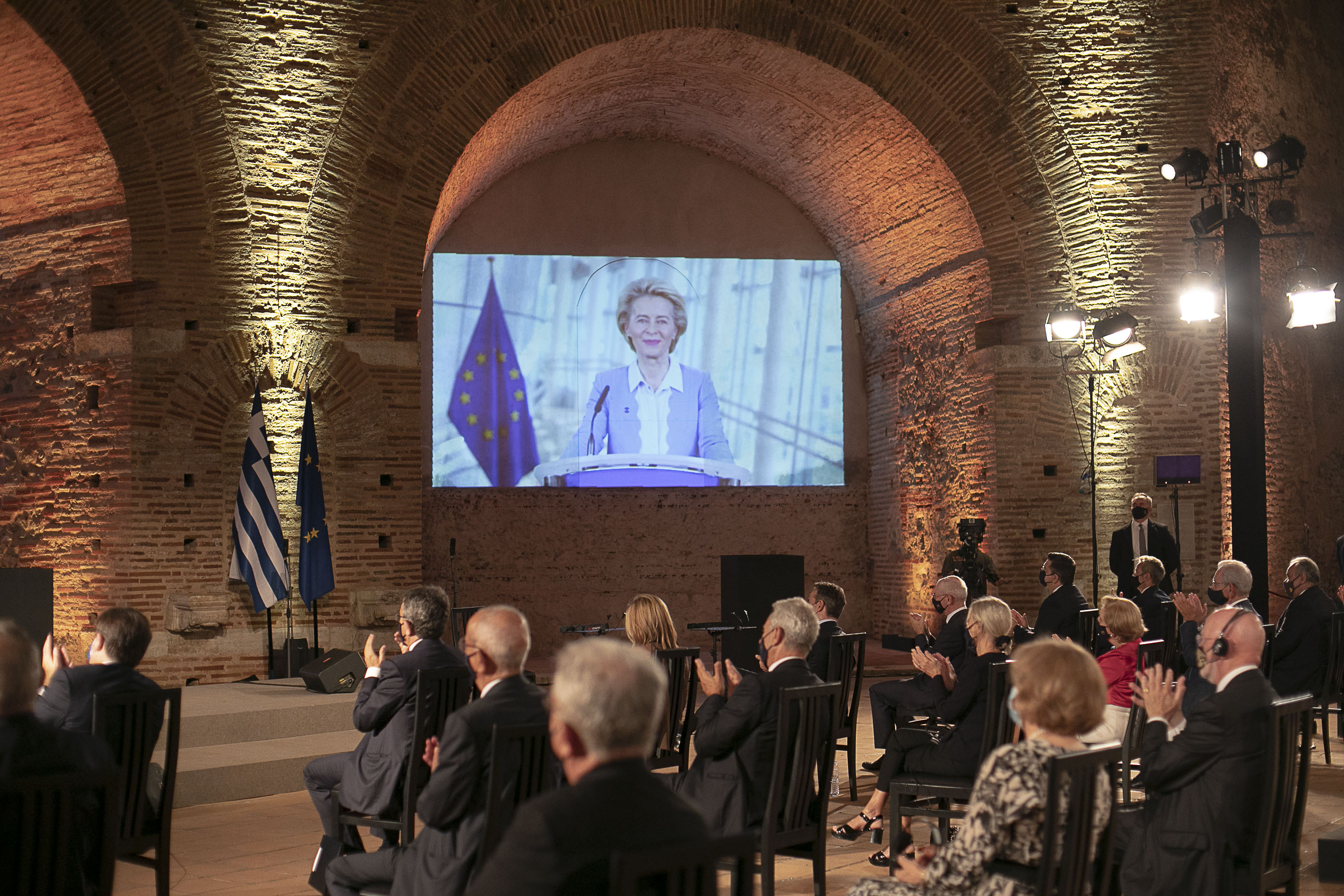
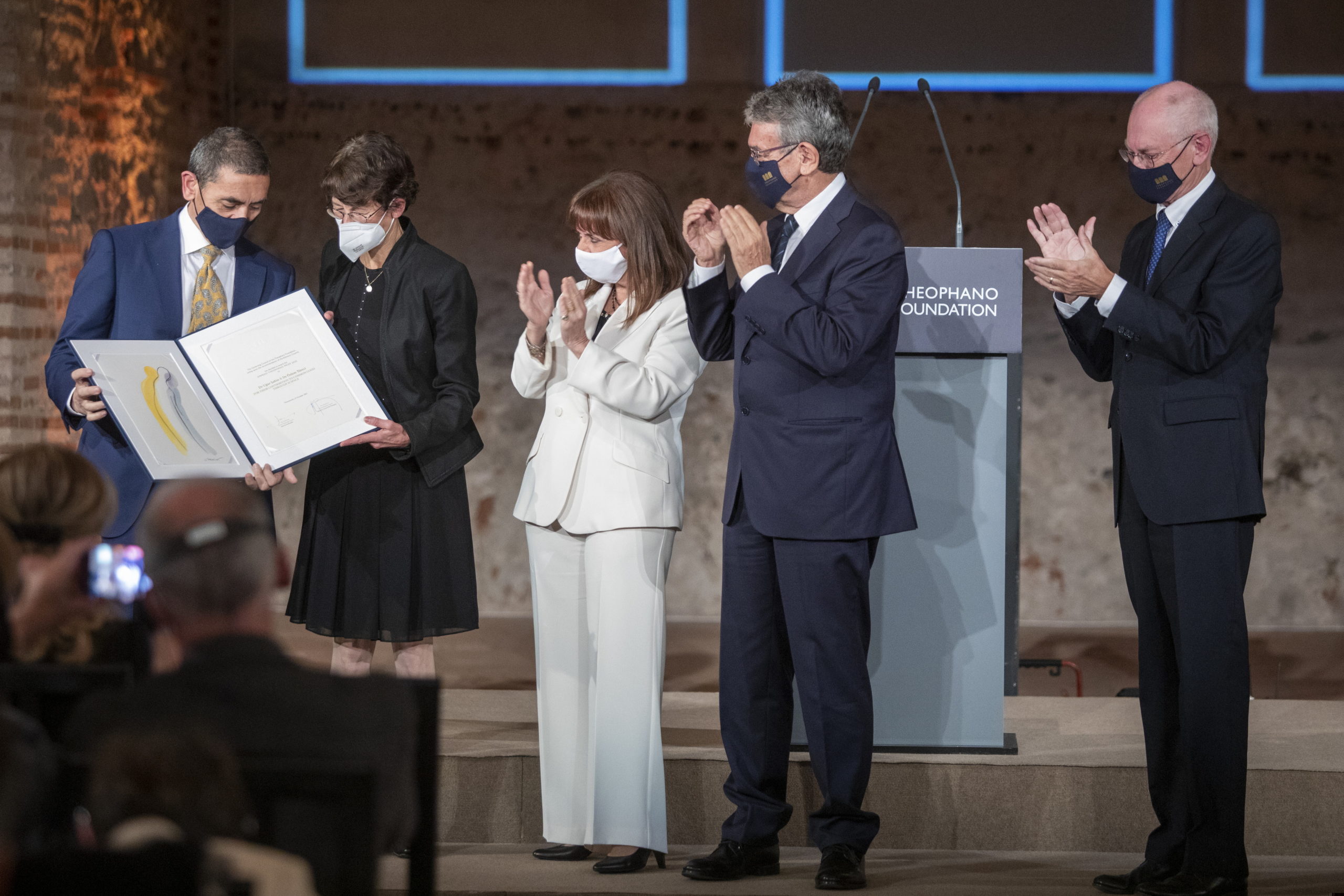
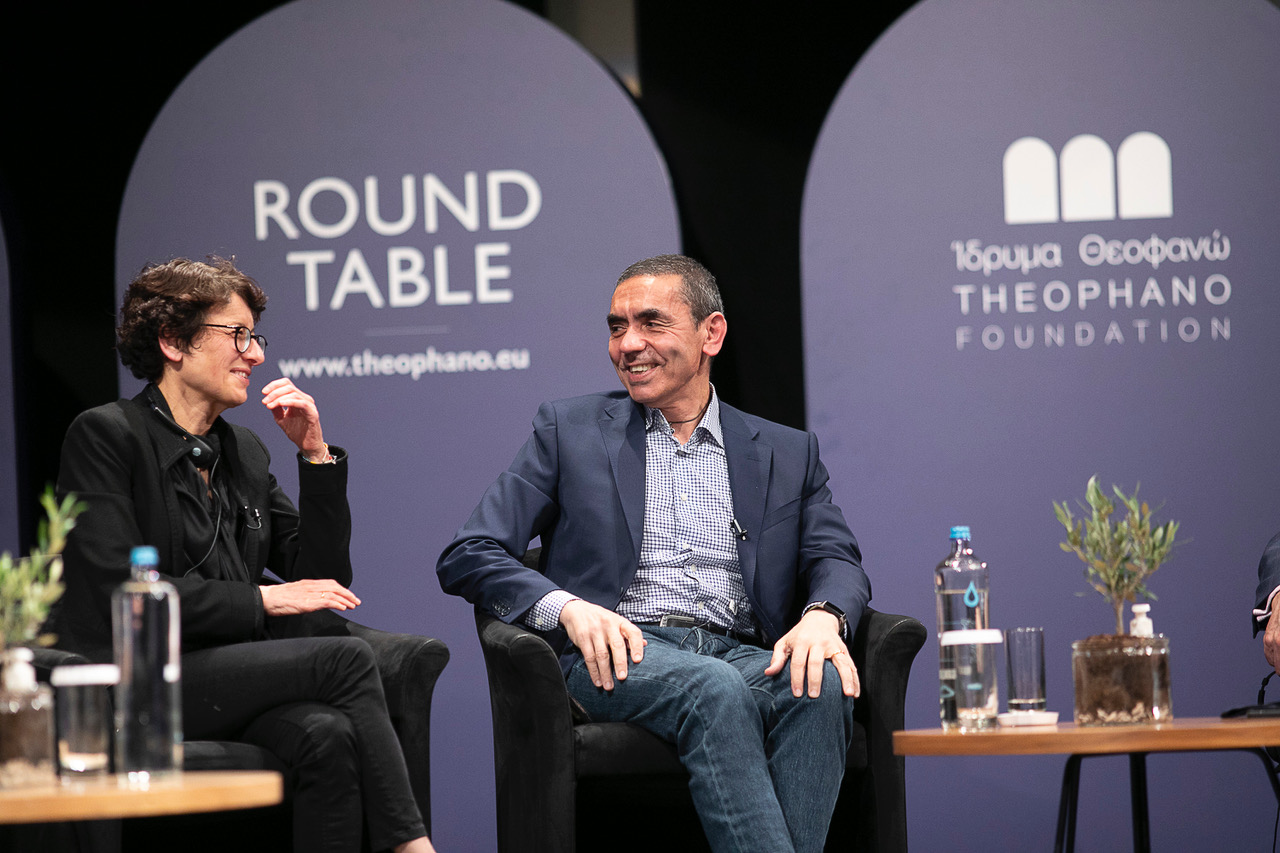
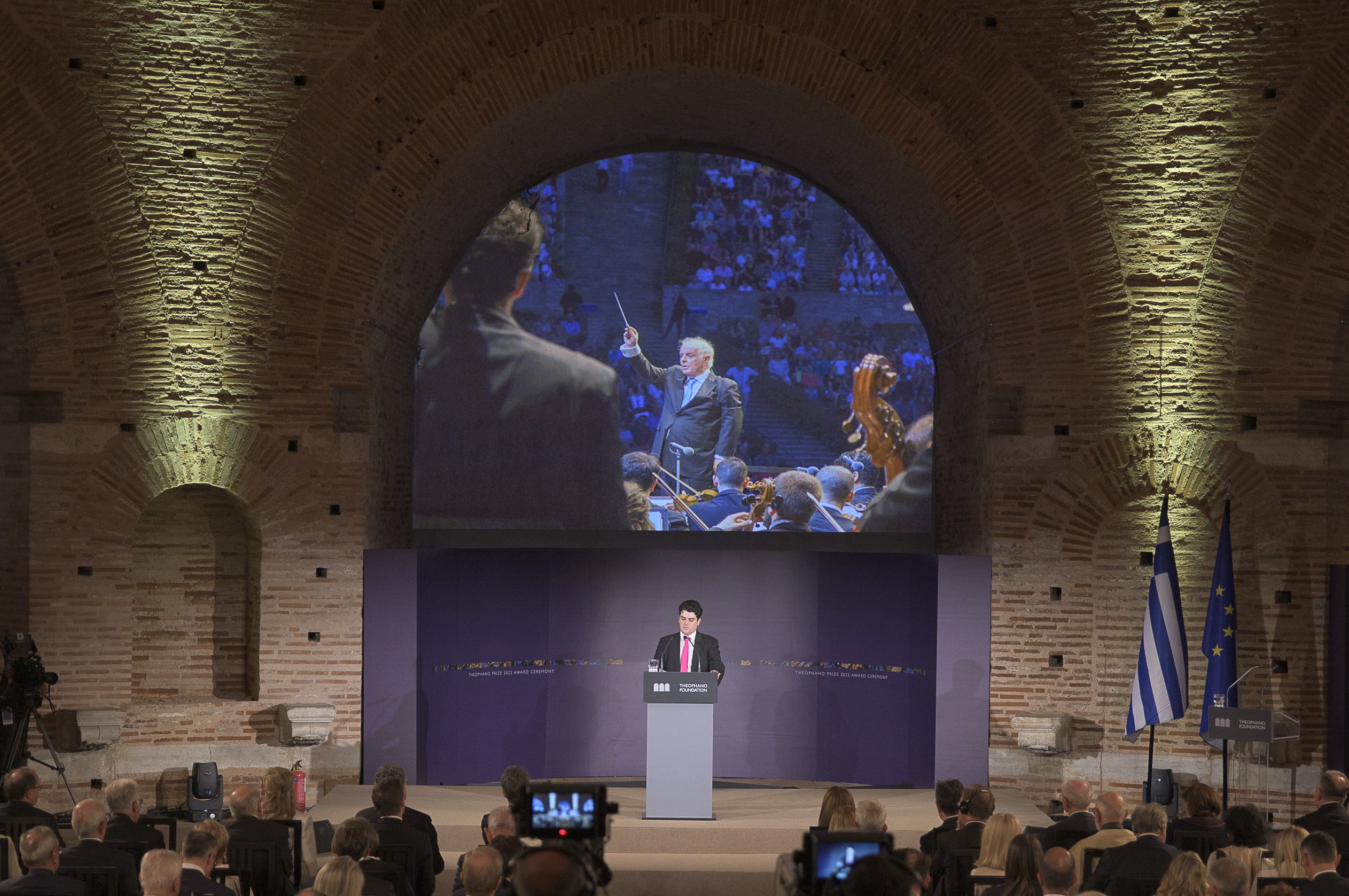
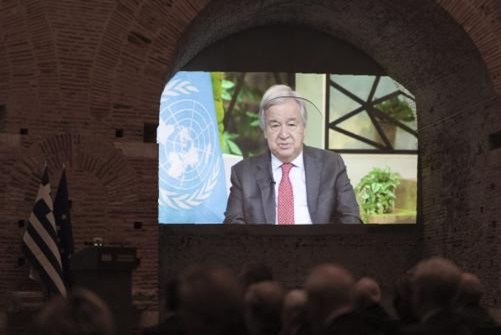
Today’s Theophano Foundation Prize is the sixth such award. In 2020 the Prize focused on Education, awarded to the Erasmus Program of the EU Commission, and received personally by President Ursula von der Leyen. In 2021 the focus was on Science: Dr. Uğur Şahin and Dr. Özlem Türeci, the scientist couple who developed the first vaccine against the coronavirus, where the recipients of the award for their dedication to the Common Good. In 2022, the Prize highlighted the key role of Art as a common ground for mutual understanding and awarded the world-renowned conductor, Mr. Daniel Barenboim and his initiative of West-Eastern Divan Orchestra, a highly symbolic project for building bridges between peoples. In 2023 it was awarded to the United Nations and the UN Secretary-General, António Gutteres, focusing on the Humanitarian role of multilateral leadership. Last year’s Prize was awarded to Special Olympics in the name of Chairman, Dr. Timothy Shriver, for their aim to highlight intellectual disability rights and to build a more inclusive society, a world where everyone is accepted, celebrated and welcomed, regardless of abilities.
The city of Thessaloniki, the location of the Theophano Foundation, was the Byzantine Empire’s second city and, while it has suffered tragedy in its long history, it has since antiquity been a meeting place for people of all backgrounds and creeds and a wellspring of inspiration for Western Europe.
SPONSOR

OFFICIAL AIR CARRIER

WITH THE SUPPORT OF:


About Europa Nostra
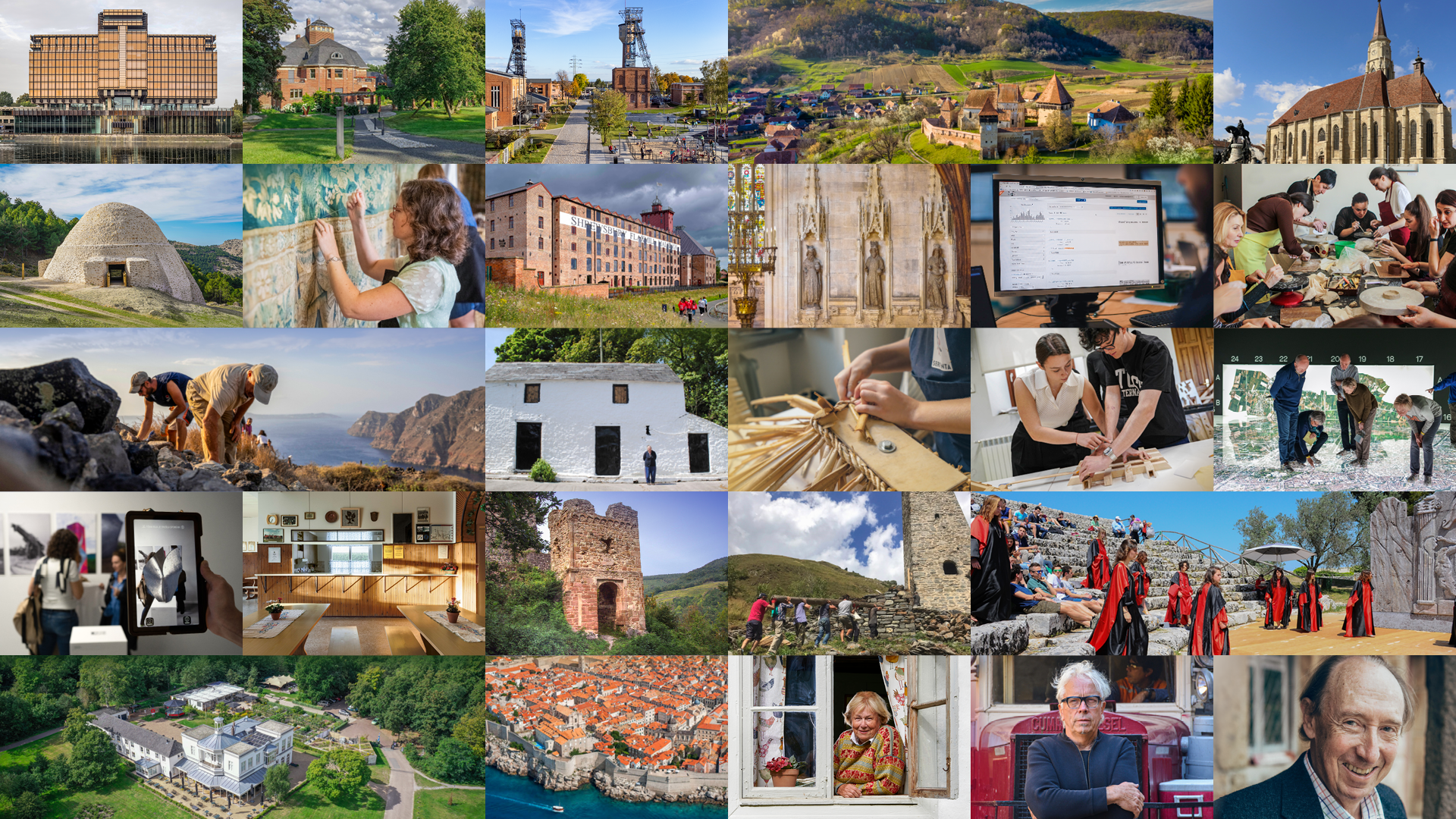
Europa Nostra is the European voice of civil society committed to safeguarding and promoting cultural and natural heritage. It is a pan-European federation of heritage NGOs, supported by a wide network of public bodies, private companies and individuals, covering over 40 countries. It is the largest and the most representative heritage network in Europe, maintaining close relations with the European Union, the Council of Europe, UNESCO and other international bodies. Founded in 1963, Europa Nostra celebrated its 60th anniversary in 2023.
Europa Nostra campaigns to save Europe’s endangered monuments, sites and landscapes, in particular through the 7 Most Endangered Programme. It celebrates and disseminates excellence through the European Heritage Awards / Europa Nostra Awards. Europa Nostra actively contributes to the definition and implementation of European strategies and policies related to heritage, through a participatory dialogue with European Institutions and the coordination of the European Heritage Alliance.
Europa Nostra has led the European consortium selected by the European Commission to run the European Heritage Hub pilot project (2023-2025). It is also a partner of the New European Bauhaus initiative developed by the European Commission, and a leading European member and supporter of the Climate Heritage Network.
More information: www.europanostra.org

About the Theophano Foundation
The purpose of the Theophano Foundation, launched in 2019, is to promote those human values which characterise Europe and to honour exceptional examples of these values in action. In doing so, its aim is also to underline and build upon the powerful historical resonance of Eastern European culture in shaping and living these values, be it in statecraft, education, religious tolerance, scientific progress or artistic and sporting endeavour. www.theophano.eu
The Theophano Foundation
The Theophano Foundation awards the annual Empress Theophano Prize to individuals or organisations that have made an outstanding contribution to bridging divides between people, nations, ideologies, thereby enhancing understanding of Europe’s common values.
The Empress Theophano Prize is unique in its field
- Historical Resonance: The prize is named after Byzantine Empress Theophano, symbolising the fusion of Eastern and Western cultures. The award ceremony is held at the Rotunda in Thessaloniki, a monument reflecting Roman, Byzantine, Orthodox, Ottoman, and Greek influences.
- Thematic Diversity: Each year, the prize focuses on a different domain – such as education, science, arts, humanitarianism, sports or culture – to highlight different channels through which our common European values are expressed.
- Non-Pecuniary Recognition: Unlike many awards, the Empress Theophano Prize does not include a monetary component, emphasising honour and recognition over financial reward.
The Theophano Foundation’s unique blend of historical context, thematic versatility and symbolic recognition sets it apart in the landscape of European foundations. By honouring diverse contributions that foster unity and understanding, it plays a distinctive role in promoting the values that underpin European cohesion, essential in the current times of global dissonance and uncertainty.
Empress Theophano Prize | first five years
VIDEO material in LINK https://www.youtube.com/watch?v=NYRHiRonzqI
Media enquiries
Andrew Fielding, Senior Advisor, Theophano Foundation: andrew.fielding@skynet.be or +32 478 915157
Vicky Papadimitriou, Project Coordinator, Theophano Foundation: info@theophano.eu or +30 693 722 9858
EMPRESS THEOPHANO PRIZE 2020-2024
EMPRESS THEOPHANO PRIZE 2020 The 2020 Empress Theophano Prize at a glance
EMPRESS THEOPHANO PRIZE 2021 The 2021 Empress Theophano Prize Ceremony at a glance
EMPRESS THEOPHANO PRIZE 2022 Ceremony Speeches & Ceremony Video
EMPRESS THEOPHANO PRIZE 2023 Ceremony Speeches & Ceremony Video
EMPRESS THEOPHANO PRIZE 2024 Ceremony Video & Round Table Discussion


The Advisory Council
Chairman
Herman Van Rompuy
President Emeritus of the European Council
Minister of State of Belgium (BE)
Members
Mary McAleese
Former President of Ireland | Professor of Children, Religion and Law, University Glasgow (IRL)
Chantal Colleu-Dumond
Directrice du Domaine de Chaumont-sur-Loire (F)
Nikiforos Diamandouros
Former European Ombudsman (GR)
Tarja Halonen
Former President of Finland (FI)
Sonja Licht
Sociologist, Former Chair of Open Society Foundation (RS)
Alessandra Mignolli
Professor, Sapienza University, Rome (I)
Sigrid Müller
Professor, University of Vienna (A)
Camilla Nothhaft
Professor, Lund University (S)
Maria Luisa Poncela
Former Secretary of State for Trade, Secretary General for Science and Innovation of Spain (ES)
Michel Praet
Vice-President, Museum of European History (BE)
Georges Prevelakis
Professor Emeritus, Paris-Sorbonne University (FR)
Sir Ivan Rogers
Former UK Ambassador to the EU (UK)
Eveline Riemen-van der Ham
Vice-President Nexus Institute (NL)
Vassilios Skouris
Former President, European Court of Justice of the EU (GR)
Rita Süssmuth
Former President of the German Parliament (DE)
Panos Tzonos
Professor Emeritus, Aristotle University of Thessaloniki (GR)
The Governing Council
Chairman
Stavros Andreadis
Honorary President, Sani/Ikos Group
Chairman, Cultural Society of Entrepreneurs of Northern Greece (GR)
Members
Nikolaos Efthymiadis
Chairman, EFTHYMIADIS Agrotechnology Group
Honorary Chairman, Federation of Greek Industries (GR)
Evangelos Gerovassiliou
Chairman, Gerovassiliou Wines (GR)
Constantinos Gleoudis
Chairman, Kavex
Member of the Board, Hellenic Society for the Environment and Cultural Heritage (GR)
Theodoros Ikonomou
Chairman, Greek Forest Property Association
Head of a forest management and wood production firm (GR)
Nada Korac Kakabadse
Professor of Policy, Governance and Ethics, Henley Business School, University of Reading (UK)
George Mylonas
Chairman, Alumil Group (GR)
Sonja Puntscher-Riekmann
Professor Emeritus of Political Theory and European Politics, University of Salzburg (AT)
Stefan Schepers
Secretary General, High Level Groups on EU Policy Innovation (BE)
EMPRESS THEOPHANO
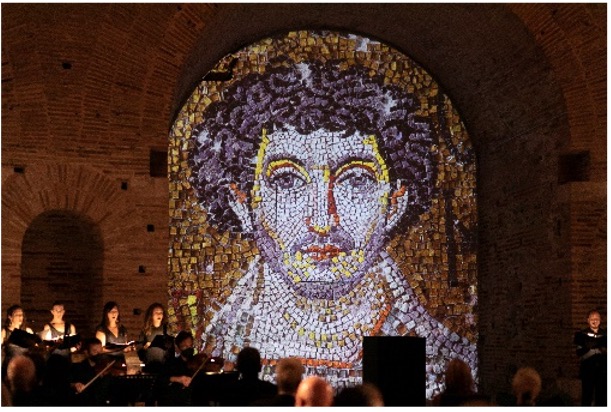
Empress Theophano, who inspired this prize, is a historic figure of Europe who played a significant role in its development during the 10th century.
The niece of Emperor John I Tzimiskes, she married Otto II and was crowned Holy Roman Empress as his wife. Following his death, she maintained the title of Empress. Her historic presence in Western Europe, dedicated to improving relations between East and West, offered a positive contribution to the cultural renaissance of western European territories, introducing to the west the central role women had in Byzantine society and transferring significant influence from the flourishing Byzantine empire in the fields of education, the arts, commerce, and health, while working to advance civil governance, promoting it over the military.
Empress Theophano is buried at the Cathedral of St Pantaleon in Cologne, Germany.
THE ROTUNDA MONUMENT
The emblematic monument of Thessaloniki, was constructed in the early 4th century AD, on the turning point between the pagan with the Christian world, probably as a temple for ancient cult worship or as a mausoleum for Constantine the Great (306-337). This circular, domed building measures 29.80 meters in height, 24.50 meters in diameter, its walls are 6.30 meters thick and can only be compared architecturally to the Pantheon in Rome. Not long after it was built and during the early years of the long-lived Byzantine Empire (330-1453), the Rotunda was turned into a Christian church with the addition of a sanctuary on its eastern side. The interior was decorated with Early Byzantine (4th- 6th c. AD) wall mosaics of unique artistry and beauty. It was Thessaloniki’s cathedral church (metropolis) between 1524 and 1591, the year in which it was converted to a mosque by the Ottoman conquerors. It remained in use as a mosque until the city’s liberation in 1912. Its dedication since that time to Saint George (Agios Georgios) is owing to the small neighboring church of this name. The mosaic decoration of the Rotunda is a masterpiece of Late Antique art.
Text source: http://galeriuspalace.culture.gr/en/monuments/rotonta/
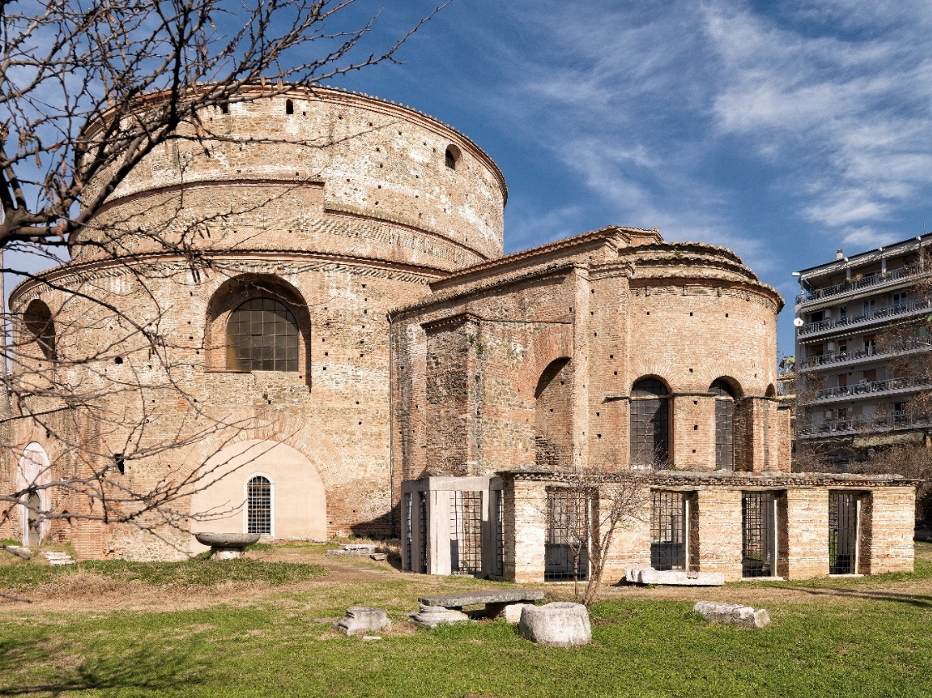
Photo credits: Ephorate of Antiquities of Thessaloniki City.
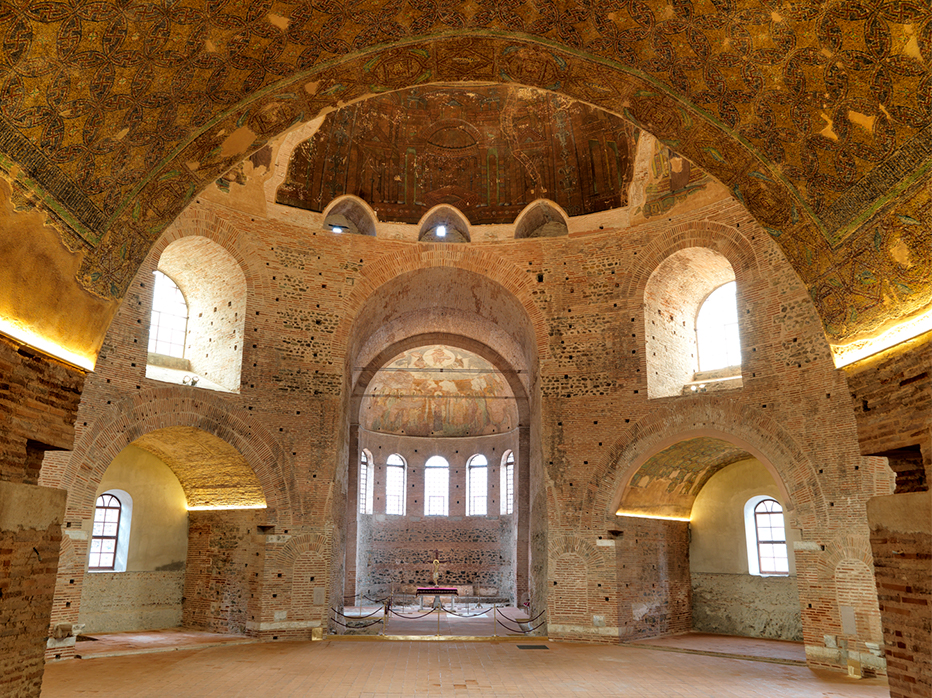
Photo credits: Studio 8 Photos, Efi Panagoula.